

There’s lots of buzz about gut health and how you can improve it, but probiotics alone are not the cure-all for gastrointestinal (GI) issues, as some may believe.
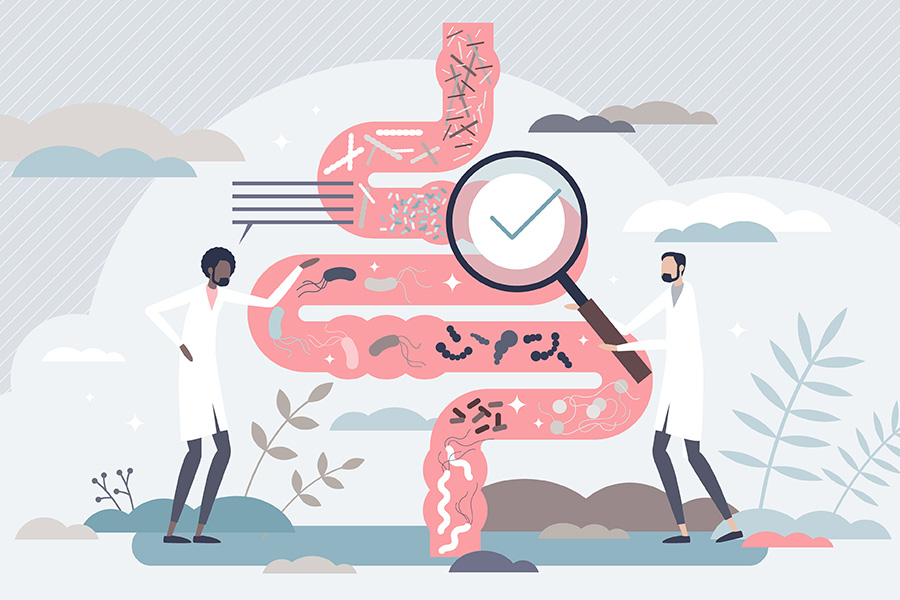
Probiotics are live microorganisms, often referred to as ‘good’ bacteria, that can provide health benefits when consumed in adequate amounts. They help balance the gut microbiome, support digestion, and can help improve some gastrointestinal conditions.
Probiotics
However, probiotics are considered safe for most people — except for people who are significantly immunocompromised — and may be worth using if they help with mild to moderate GI symptoms.
More ways to help common GI symptoms include:
- High-fiber foods for people with symptoms of hemorrhoids or digestive conditions.
- Hydration and fiber for those with constipation.
- Avoidance of food triggers, such as caffeinated beverages, for people with reflux symptoms.
- General healthy lifestyle choices, including eating well, exercising, and avoiding tobacco and alcohol can also help.
The Power of Protein & Fiber
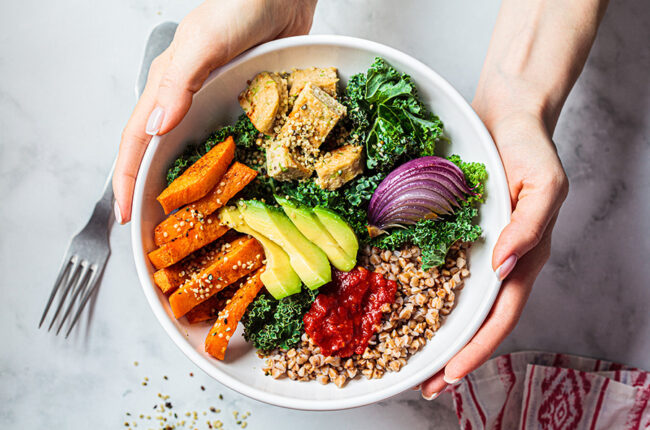
While probiotics can be beneficial, incorporating adequate amounts of protein and fiber into your diet is essential for maintaining a healthy gut. Together, protein and fiber contribute to a healthy digestive system, supporting overall gut health and function. Your goal should be to aim for at least 10 grams of protein and 5-8 grams of fiber for your first meal.
Start Strong: Easy Options to Begin Your Day
- An extra egg (96 grams of protein)
- A scoop of protein powder (15-25 grams of protein)
- ½ cup of Greek yogurt (10-12 grams of protein)
- 4 ounces of tempeh (22 grams of protein)
Your gut plays a key role in your overall health and vitality. Take the first step towards better gut health with our Gut Check Toolkit. From lifestyle tips to delicious, gut-friendly recipes, it has the tools you need to nurture your digestive system and thrive.
When to get help
Unlike other organ systems, the GI tract can be taboo. Few individuals like to talk about their colon and bowel issues. However, it’s important to feel comfortable enough to discuss your digestive issues with your doctor so that you can find treatments to address potentially serious concerns.
Symptoms that may indicate more severe GI tract problems include:
- Chronic diarrhea
- Rectal bleeding
- Black, tarry stools
- Unexplained weight loss or rapid weight gain
- Jaundice
- Iron-deficiency anemia
- Severe abdominal pain
Talk with your doctor if you have new or concerning symptoms. Additionally, it’s important to get GI screening tests done at the proper age, such as colon cancer screening at age 45 for those who are at average risk.
Visit The California Schools VEBA (CalVEBA) Cooking & Nutrition Hub to help you make informed choices about your dietary and lifestyle choices, supporting your journey towards better health and well-being.
Not sure what preventative screenings you should be getting at your age? Download this infographic!
Read this blog to learn more about colon cancer prevention.
Learn about nutrition and holistic ways you can support your gut microbiome in CalVEBA’s Cooking & Nutrition classes led by Chef Leslie and Healing through Natural Medicine classes led by Dr. Ioanna Vouloumanou (Dr. V.) DAOM, LAc. Visit the class calendar to sign up for these educational classes.
This blog includes content from Sharp Health News, a publication of Sharp HealthCare.